

Just like humans, cats experience significant physical and behavioral changes as they age. While the exact timeline can vary depending on breed, genetics, and lifestyle, cats are generally considered “senior” around 11-14 years old and “geriatric” from 15 years onward. Understanding these changes is crucial for providing the best possible care, maintaining their quality of life, and recognizing when it’s time to seek veterinary attention.
Caring for a senior cat is a rewarding experience, offering a chance to deepen your bond with your aging companion. This article will guide you through the common changes to expect and how to adapt your care to meet the evolving needs of your beloved senior feline.
Physical Changes and Health Concerns
Many of the physical changes in senior cats mirror those in aging humans, often leading to similar health challenges.
– Reduced Mobility and Arthritis: One of the most common issues in senior cats is osteoarthritis. You might notice your cat hesitating before jumping, having difficulty climbing stairs, or showing stiffness after resting.
– Dental Disease: Dental issues are rampant in older cats. Plaque and tartar buildup can lead to gingivitis, painful tooth resorption, and infections. This can make eating uncomfortable, leading to weight loss.
– Weight Changes: Senior cats can either gain or lose weight. Weight gain can exacerbate arthritis and other conditions, while unexplained weight loss can be a sign of underlying health issues like hyperthyroidism, kidney disease, or diabetes.
– Kidney Disease: Chronic kidney disease (CKD) is very common in older cats. Symptoms include increased thirst and urination, weight loss, decreased appetite, and vomiting.
– Hyperthyroidism: An overactive thyroid gland is another frequent issue in older felines. Signs include increased appetite but with weight loss, hyperactivity, increased thirst and urination, and a poor coat.
– Diabetes: Similar to humans, cats can develop diabetes, often linked to obesity. Symptoms include increased thirst and urination, increased appetite, and weight loss.
– Sensory Decline: Your cat’s eyesight and hearing may diminish with age. They might become startled more easily or have trouble finding their way in the dark.
Behavioral Changes
Physical changes often lead to shifts in behavior. Understanding these links can help you respond with compassion.
– Changes in Sleep Patterns: Older cats often sleep more during the day but may become restless or vocal at night. This can be a sign of cognitive dysfunction (feline dementia).
– Altered Grooming Habits: As mobility decreases, cats may struggle to groom themselves effectively, leading to a dull, matted, or greasy coat.
– Litter Box Issues: Arthritis can make climbing into a high-sided litter box painful. Cognitive decline might lead to forgetting where the box is, or how to get there in time.
– Changes in Social Interaction: Some senior cats become more affectionate, seeking out companionship. Others may become more withdrawn, irritable, or less tolerant of interaction due to pain or sensory loss.
– Cognitive Dysfunction (Feline Dementia): Cats can develop a form of dementia, similar to Alzheimer’s in humans. Signs include disorientation, altered interactions, changes in sleep-wake cycles, and house-soiling.
Essential Senior Cat Care Practices

Adapting to your cat’s senior years doesn’t have to be a stressful process, but it does require some intentional changes to your daily routine. Here are the most essential practices to keep your aging friend happy and healthy.
Frequent Veterinary Check-ups
The most important thing you can do for an older cat is to increase the frequency of their vet visits. While a younger cat might only need a check-up once a year, senior cats really benefit from seeing the vet every six months. These biannual exams allow your vet to catch subtle changes in weight, blood pressure, or organ function before they become serious problems. Early detection is absolutely vital when dealing with conditions like kidney disease or hyperthyroidism, as early intervention can significantly extend their life and improve their comfort.
Nutritional Adjustments
Your cat’s nutritional needs change as their metabolism slows down and their body’s ability to process certain nutrients shifts. Many senior cats require a diet that is easier to digest and contains higher quality protein to help maintain their muscle mass. If your cat has a specific health condition, your vet might even recommend a therapeutic diet designed to support their kidneys, heart, or joints. Always make sure to introduce any new food gradually, because an older cat’s digestive system can be a bit more sensitive to sudden changes.
Prioritizing Hydration
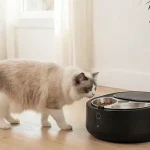
Proper hydration becomes even more critical for senior cats, especially those with declining kidney function. You might notice your cat is less inclined to get up and walk to their water bowl, so it’s a great idea to place multiple water sources throughout your home. Some cats actually prefer moving water, so a pet fountain can be a fantastic investment to encourage them to drink more. Switching to wet food is another excellent way to increase their daily moisture intake, as it provides hydration directly through their meals.
Environmental Modifications for Comfort
Making small changes to your home can make a world of difference for a cat with stiff joints or limited mobility. If your cat loves to look out the window but can no longer jump onto the sill, consider adding a pet ramp or a set of sturdy steps. You should also ensure that all of their essential resources, like food, water, and their bed, are on the floor where they spend most of their time. If you have a multi-story home, having a set of these resources on every level prevents them from having to navigate stairs when they’re feeling a bit sore.
Gentle Enrichment and Mental Stimulation
Just because your cat is older doesn’t mean they’ve stopped being curious. While they might not be able to chase a feather wand for twenty minutes, they still need mental stimulation to keep their brain sharp. Gentle play sessions, food puzzles, or even just sitting together and watching the birds can provide much-needed enrichment. It’s all about finding activities that match their current energy levels and physical abilities without causing them any pain or exhaustion.
Vigilant Observation
Finally, you are the expert on your cat’s normal behavior. Pay close attention to any subtle shifts in their habits, such as changes in appetite, litter box usage, or how they interact with you. Even small changes, like a cat who suddenly stops jumping onto the bed or becomes more vocal at night, can be significant indicators of their health. Trust your intuition, and if something feels “off,” don’t hesitate to give your vet a call.
Conclusion
Caring for a senior cat is a journey of patience and deep affection. While it can be difficult to see your once-agile companion slow down, this stage of their life offers a unique opportunity for quiet bonding and specialized care. By staying proactive with their health and making simple adjustments to their environment, you can ensure their golden years are filled with comfort, dignity, and love. They’ve spent years being your loyal companion, and now you have the chance to be their ultimate caregiver as they age gracefully.












0 Comments