
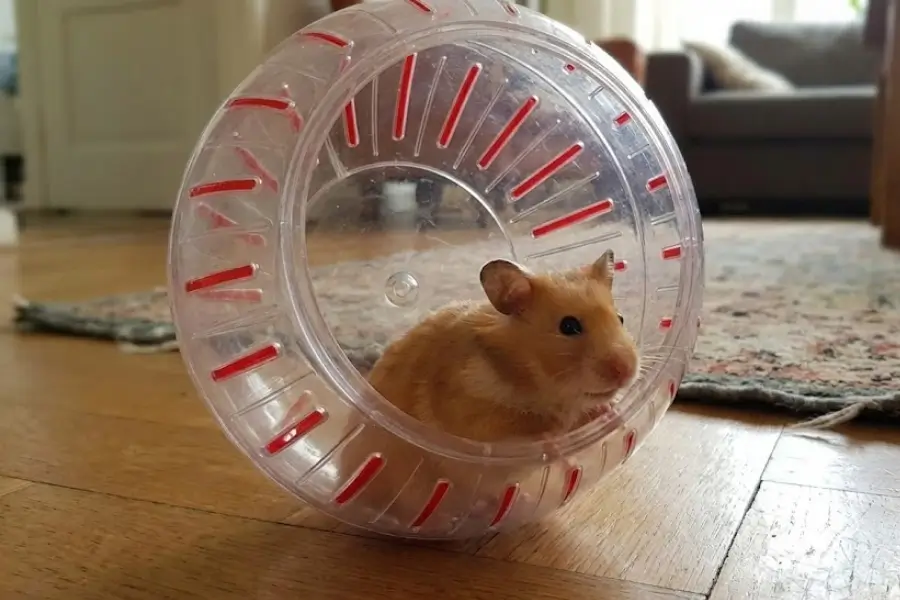
For decades, the plastic hamster ball has been a staple in pet stores and a go-to gift for new small animal owners. It seems like a brilliant invention on the surface, allowing your tiny friend to explore the wide world of your living room floor without the risk of them disappearing under the sofa or chewing through an electrical cord. However, in recent years, a growing number of exotic veterinarians and animal welfare organizations have raised serious red flags about these devices.
The question of whether hamster balls are actually safe is a hot topic in the pet community, and the consensus is shifting toward a much more cautious perspective.
The Physical Risks of Rolling Around
One of the most immediate concerns with hamster balls is the physical safety of the animal inside. These balls are designed with small slits for ventilation, but these very openings can be dangerous.
– Trapped Limbs: A hamster’s tiny toes or nails can easily get caught in these slits as the ball rotates, leading to broken limbs, ripped-out nails, or painful sprains.
– Lack of Sensory Input: Hamsters rely heavily on their whiskers and sense of smell to navigate. Inside a plastic ball, their primary senses are effectively neutralized.
– Collisions: Because they cannot feel the ground with their whiskers, they often crash into walls and furniture. They are often just reacting to the momentum and trying to maintain their balance as the world spins around them.
The Stress Factor: Fear vs. Fun
It is easy for us to assume that a hamster running in a ball is having a great time. However, many experts believe that this movement is a frantic attempt to escape a stressful situation.
– Lack of Control: Unlike an exercise wheel in their cage, which they can hop on and off at will, a hamster in a ball is trapped. They cannot stop when they are tired, and they cannot leave when they are thirsty.
– Vulnerability: In the wild, being out in the open is terrifying for a prey animal. When they are placed in a clear ball, they feel exposed with no way to retreat to a safe space.
– Poor Hygiene: Some hamsters will even urinate or defecate inside the ball out of fear, which creates an unhygienic environment as they continue to roll through their own waste.
Poor Ventilation and Overheating
Another often-overlooked danger is the lack of proper airflow. While the balls have slits, they are rarely sufficient to keep a high-energy mammal cool.
– Heatstroke: Hamsters can overheat very quickly, and a plastic sphere acts much like a miniature greenhouse. If left in a ball for too long, they can suffer from fatal heatstroke.
– Respiratory Irritation: The ammonia from their urine can build up quickly in such a confined space, irritating their sensitive respiratory systems.

Better Alternatives for Safe Exercise
If you want to give your hamster time outside of their cage, there are much safer and more enriching ways to do it.
– A Secure Playpen: Setting up a large, foldable playpen with a solid floor is a fantastic alternative. You can fill it with hideouts, tunnels, and safe chew toys.
– Hamster-Proofed Rooms: If you have a small, safe room like a bathroom, you can “hamster-proof” it by blocking off all gaps. This gives them true freedom to explore using their natural senses.
– Taming and Hand-Time: Letting your hamster crawl over you while you sit on the floor is a great way to bond. It builds trust and ensures you are right there to intervene if they get into trouble.
Conclusion
While it is tempting to use a hamster ball for convenience, the potential risks to your pet’s physical health and emotional well-being are significant. Most modern care guidelines suggest that we move away from these plastic toys in favor of enrichment that respects a hamster’s natural instincts. By providing a secure playpen or a well-structured habitat with a high-quality, solid-surface wheel, you are giving your hamster the exercise they need without the fear and danger that comes with being trapped in a rolling plastic ball.














0 Comments