
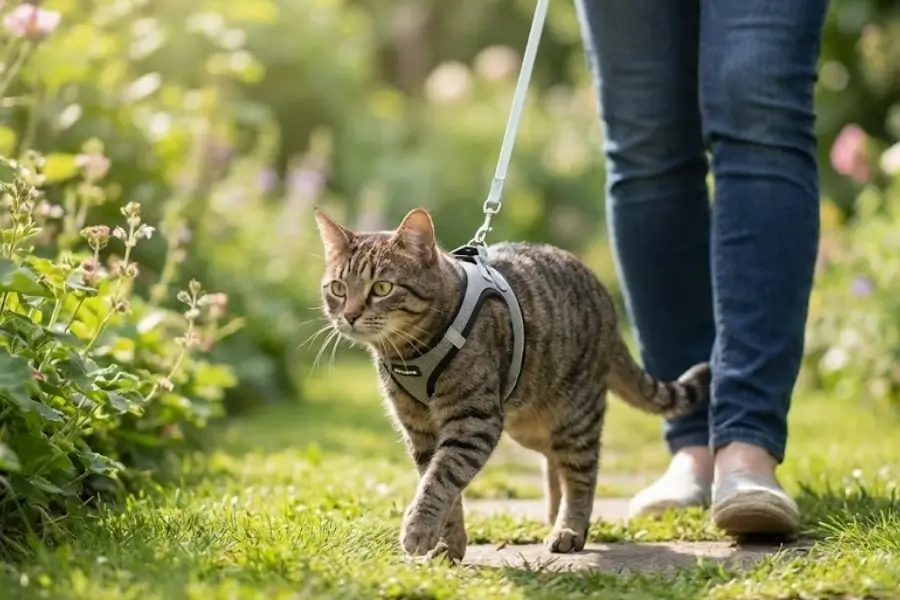
The image of a cat on a leash, strolling through a park, might seem like something out of a fantasy or a particularly well-trained circus act. But the truth is, with patience, positive reinforcement, and the right equipment, many cats can learn to enjoy walking on a leash. This isn’t about turning your cat into a dog; it’s about providing them with a safe and enriching way to explore the world beyond their windowsill.
Leash training can be a wonderful bonding experience for you and your cat. It offers them mental stimulation, physical exercise, and a chance to satisfy their natural curiosity about the outdoors in a controlled and safe manner. If you’re ready to embark on this adventure, read on for a comprehensive guide on how to train your cat to walk on a leash.
Why Leash Train Your Cat?
Before we dive into the “how-to,” let’s explore the “why.” Why would you want to take your cat for a walk?
– Mental Stimulation: The outdoors is a sensory wonderland for a cat. New smells, sights, and sounds provide incredible mental enrichment that can help prevent boredom and behavioral issues.
– Physical Exercise: A walk is a great way for your cat to burn off energy, helping them maintain a healthy weight and stay fit.
– Safe Exploration: For indoor cats, the world outside can be dangerous. A leash and harness provide a safe way for them to experience the outdoors without the risks of traffic, predators, or getting lost.
– Bonding: Training and walking together is a unique bonding experience that can strengthen the relationship between you and your feline friend.
Step 1: The Right Gear is Essential
The first and most important step is to get the right equipment. Never attach a leash directly to a cat’s collar. Cats have delicate throats, and a collar can cause serious injury if they pull or if you need to tug on the leash. You must use a harness designed specifically for cats.
– The Harness: Look for a harness that is secure, comfortable, and escape-proof. A “vest” or “jacket” style harness is often a good choice as it distributes pressure more evenly across the cat’s body and is harder for them to wriggle out of. Make sure to measure your cat and get the correct size. It should be snug but not too tight, you should be able to fit two fingers between the harness and your cat’s body.
– The Leash: A lightweight, non-retractable leash is best for starting out. A standard 4-6 foot leash gives your cat some freedom while allowing you to maintain control. Avoid retractable leashes, as they can give your cat too much freedom and can be dangerous if the mechanism fails or if the leash gets wrapped around something.

Step 2: Introducing the Harness Indoors
This is the most crucial part of the training process. You must never just put the harness on your cat and take them outside. This will almost certainly lead to panic and a negative association with the harness. Instead, you need to desensitize your cat to the harness slowly and positively.
– The Introduction: Start by simply leaving the harness out in an area where your cat spends time. Let them sniff it and investigate it on their own terms. You can even place a few treats around it to create a positive association.
– Wearing the Harness: Once your cat seems comfortable with the presence of the harness, try draping it over their back for a few seconds while giving them a treat. If they tolerate this, you can try fastening it.
– Positive Reinforcement is Key: When you first put the harness on, it’s very likely your cat will do one of two things: freeze and fall over as if paralyzed, or try to wriggle out of it. This is normal! Your goal is to distract them and make the experience positive. Immediately offer them their favorite high-value treat or engage them in play with a favorite toy.
– Keep it Short and Sweet: Keep the initial sessions very short, just a few minutes at a time. As your cat gets used to the feeling of the harness, you can gradually increase the duration. Always end the session on a high note with praise and a treat.
Step 3: Leash Training Indoors
Once your cat is walking around comfortably in the harness, it’s time to add the leash.
– Attach the Leash: Clip the leash to the harness and let your cat drag it around the house. This will help them get used to the weight and feel of the leash trailing behind them. Supervise them closely to ensure the leash doesn’t get caught on anything.
– Pick Up the Leash: Once your cat is used to the leash dragging, pick up the other end and follow them as they walk around. Don’t apply any tension; just let them lead.
– Gentle Guidance: After your cat is comfortable with you holding the leash, you can start to gently guide them. Use a treat to lure them in a direction, and give a very gentle tug on the leash to encourage them to follow. Always reward them when they move in the desired direction.
Step 4: The First Outdoor Adventure
When your cat is comfortable walking on the leash indoors, you’re ready for the big outdoors!
– Choose the Right Spot: Start in a quiet, enclosed, and familiar area, like your backyard or a quiet patio. Avoid noisy or busy areas with lots of people or dogs.
– Carry Them Out: It’s best to carry your cat outside to your chosen spot rather than letting them walk out the door. This prevents them from learning to dash out the door whenever it’s open.
– Let Them Lead: Once you’re outside, place your cat on the ground and let them take the lead. They will likely be cautious and want to sniff everything. Be patient and let them explore at their own pace.
– Be Their “Safe Space”: If your cat gets spooked, they may try to bolt or hide. Be prepared to gently pick them up and comfort them. Never pull on the leash if they are panicked.
Important Tips for Success
– Patience is a Virtue: Every cat is different. Some will take to the leash quickly, while others may take weeks or even months. Never force your cat and always go at their pace.
– Positive Reinforcement Only: Never punish or scold your cat during training. This will only create a negative association with the harness and leash. Always use treats, praise, and play to reward good behavior.
– Be Aware of Your Surroundings: When outdoors, always be on the lookout for potential dangers like dogs, loud noises, or things that could spook your cat.
– Not Every Cat Will Be a Leash Cat: It’s important to accept that not every cat will enjoy walking on a leash. If your cat shows persistent signs of fear or stress, it’s best to respect their preferences and find other ways to enrich their lives indoors.
Conclusion
Leash training a cat takes time and effort, but the rewards are well worth it. Seeing your feline friend confidently exploring the world, tail high and nose twitching with excitement, is a truly special experience. So grab a harness, a pocketful of treats, and a healthy dose of patience, and get ready to open up a whole new world for your cat!














0 Comments