
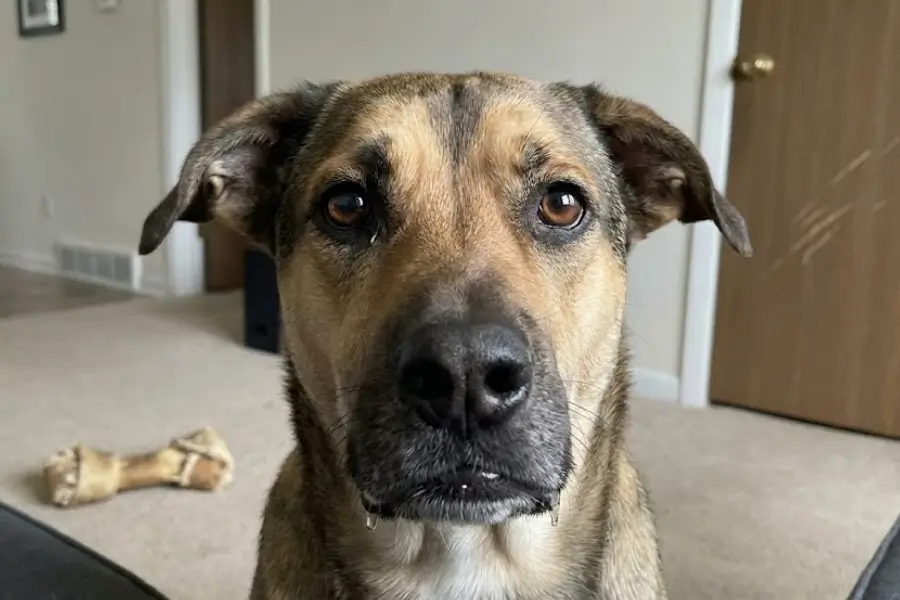
You grab your keys, put on your shoes, and your dog’s demeanor instantly shifts. The tail wag turns into a nervous pace, the cheerful eyes become pools of worry, and a low whine begins in their throat. You walk out the door, heart heavy, knowing that for the next few hours, your best friend will be in a state of panic.
If this scenario sounds all too familiar, you are not alone. Separation anxiety is one of the most common, and heartbreaking, behavioral issues dog owners face. It’s not just about a little whining; it’s a genuine panic attack that occurs when a dog is left alone. This distress can manifest in destructive behavior, incessant barking, house soiling, and even self-injury.
The good news is that separation anxiety is treatable. It requires patience, consistency, and a compassionate approach, but you can help your dog learn to be calm and confident when you’re not there. This comprehensive guide will walk you through understanding the condition, identifying its symptoms, and implementing evidence-based solutions to bring peace back to your home.
Understanding the “Why”: What Causes Separation Anxiety?
There isn’t one single cause for separation anxiety. It’s often a complex interplay of genetics, early life experiences, and environmental factors.
– Change in Routine or Household: A move to a new house, a change in your work schedule, or the loss of a family member or another pet can trigger anxiety.
– Shelter or Rescue Background: Dogs adopted from shelters may have a history of being abandoned or rehomed multiple times, leading to a fear of being left again.
– Lack of Early Socialization: Puppies who aren’t gradually introduced to being alone can develop an unhealthy dependence on their owners.
– Over-Attachment: An overly dependent relationship where the dog is never away from their owner’s side can set the stage for anxiety when separation is inevitable.
– Genetics: Some breeds are simply more predisposed to anxiety than others.
Recognizing the Signs: Is It Boredom or Panic?
It’s crucial to distinguish between true separation anxiety and other behaviors like boredom or lack of house training. The key differentiator is that symptoms of separation anxiety occur specifically and intensely when the dog is left alone or when they anticipate being left alone.
Common symptoms include:
– Destructive Behavior: Chewing door frames, window sills, or furniture near exit points.
– Vocalization: Excessive howling, barking, or whining that persists while you are away.
– House Soiling: Urinating or defecating inside, even in a house-trained dog.
– Pacing and Restlessness: Walking back and forth in a fixed pattern, unable to settle down.
– Salivation and Panting: Drooling excessively and heavy panting as signs of high stress.
– Escaping Attempts: Trying to dig or chew through doors, windows, or crates.
– Pre-Departure Anxiety: Showing signs of stress like trembling or hiding as soon as you start your departure routine.

Real Solutions: A Multi-Faceted Approach to Treatment
Treating separation anxiety is a marathon, not a sprint. Success comes from a combination of management, behavior modification, and sometimes, medication.
– 1. Management: Stop the Panic Before It Starts: The first rule is to never leave your dog alone for longer than they can handle. Use doggy daycare, pet sitters, or take your dog to work if possible.
– 2. Desensitization and Counterconditioning: Desensitize your dog to departure cues like picking up keys or putting on shoes without actually leaving. Practice graduated departures, starting with just one second and slowly increasing the duration.
– 3. Keep Departures and Arrivals Low-Key: Avoid emotional, drawn-out goodbyes. When you return, ignore your dog for the first few minutes until they are calm to show that coming and going is a non-event.
– 4. Physical and Mental Enrichment: A tired dog is a less anxious dog. Ensure your dog’s physical and mental needs are met with walks, puzzle toys, and training sessions.
– 5. The Role of Medication: For severe cases, anti-anxiety medication prescribed by a vet can help lower their baseline anxiety so they are in a state where they can actually learn.
What NOT To Do
– Never punish your dog for anxiety-related behaviors. Punishment will only increase their fear.
– Do not get another dog to “keep them company.” Separation anxiety is about the bond with you, not just being alone.
– Avoid using a crate as a solution if your dog has confinement anxiety, as they can seriously injure themselves trying to escape.
Conclusion
Living with a dog with separation anxiety is incredibly stressful and emotionally draining. It can feel like you’re being held hostage in your own home. But remember, there is hope. With a clear understanding of the condition and a commitment to a structured treatment plan, you can help your dog overcome their fears. With patience and love, you can guide your clingy canine toward a happier, more independent life.














0 Comments